Picture this. Your kids are in college, and you aren't lying awake over the bills. Instead, you're booking a flight to Paris or Madrid to visit them. You walk the city they now call home, take them out to dinner, and actually enjoy yourselves.
I paid for two private college educations. Not once did I consider whether my kids could earn their degrees abroad instead, for a fraction of the price.
For a diplomat's daughter, that's a strange blind spot. I was born in Mexico City and spent stretches of my life overseas, including in Japan. My sister lives in Rome. Living in other places made me who I am. My children traveled with me, so the curiosity was already there. I just never connected it to college. This post is mostly about money, and the savings are real. But I'd argue the bigger reason is this: at a time when so many Americans rarely leave home, a young person who has lived abroad sees the world, and their own country, more clearly. We need more global citizens. The biggest challenges our children will face, from climate to public health to the economy, don't stop at borders, and neither will their careers. The people who can work across cultures, listen to other points of view, and find common ground are the ones who will solve them.
In continental Europe, a full degree costs less than four years at an average U.S. public university.
Total cost of a whole degree, with tuition, living costs, and travel
One year at Carleton: $94,980
Average U.S. private college, 4 years
Average U.S. public, out of state, 4 years
Average U.S. public, in state, 4 years
Bocconi, Milan, 3 years
Carlos III, Madrid, 4 years
Sciences Po, Paris, 3 years
Erasmus, Rotterdam, 3 years
Navy: degrees in continental Europe. Grey: U.S. averages.
The Financial Aid Guessing Game
Almost every family I meet this fall asks me the same two questions. Will we get merit aid? Will we qualify for need-based aid?
Here's the honest answer. Nobody knows until spring. Not me, not your neighbor, not the admissions office.
In the meantime, you file the FAFSA. Then you learn that many private colleges also want the CSS Profile, a longer form that asks about your home equity and retirement accounts. Then come the tax returns and W-2s. You do all of it in the fall of senior year, while your child is writing essays, and you still have no idea what college will cost.
And here's what nobody tells you. You don't do it once. You have to file the FAFSA again every year your child is in college. Colleges that use the CSS Profile usually want that again too, along with fresh tax documents. Four years of forms. Four years of waiting to see whether the number holds.
The system is built to keep you anxious. Every school runs its own formula and shows you its real price only after your child has fallen in love.
My last post made the case for staying close to home. That's one way to save money. Here's another.
Takeaway One
English-Taught Degrees Are Everywhere Now


Your child doesn't need to speak another language to earn a degree abroad. There are now about 40,786 English-taught programs at universities outside the U.S., UK, Canada, and Australia. That's roughly triple the number in 2014, and about half are in Europe.
In the UK, of course, every degree is taught in English. In the Netherlands, the University of Amsterdam, Leiden, Maastricht, and Erasmus Rotterdam all offer full bachelor's degrees in English. So do Bocconi in Milan, Carlos III in Madrid, and Sciences Po in France. These aren't side programs. They're serious degrees at respected universities.
And more American students are taking the leap. The Institute of International Education counted more than 50,000 U.S. students pursuing full degrees abroad in 2019/20, with the UK as the top destination. Recent reporting of IIE data puts that number above 90,000 in 2025. American applications to UK universities alone rose 14% in a single year, according to UCAS.
Why the boom? Universities around the world want international students, higher global rankings, and graduates who can work anywhere. English has become the shared language of business and research, so teaching in English opens their doors to the world.
Takeaway Two
Three Years Instead of Four
Parents often ask me whether the three-year degree is just a British thing. It isn't.
In England, a bachelor's degree usually takes three years. Scotland is the exception. St Andrews and Edinburgh run four-year degrees with a broader first two years, which feels closer to the American model.
On the continent, most bachelor's degrees also take three years. That includes the Netherlands, France, and Italy. Spain is the outlier, where most degrees run four.
One fewer year means one fewer year of tuition, rent, food, and flights. That adds up fast.
There is a trade-off. Students abroad choose their subject from the first day. For the kid who already knows what they love, that's a gift. For the one who is still exploring, the American model gives them room to change their mind.
Takeaway Three
The Price You See Is the Price You Pay
European universities offer American students very little need-based aid. That sounds like bad news. In practice, it means the sticker price is close to the real price. No CSS Profile, no secret formula, no waiting until April.
Here's the number I want every parent to see. Three years abroad can cost about the same as one year at a top private college.
Three years of tuition at Sciences Po or Bocconi costs less than a single year at many private colleges. At Erasmus in Rotterdam, even with rent, food, and flights home, a full degree comes to about $92,000. Carleton charges $94,980 for one year.
As I always tell families, "Don't go broke sending your kid to college."
Let's compare a degree abroad with what American families pay on average, both for an in-state public university and for a private college.
The College Board puts the average full yearly budget for 2025-26, including tuition, housing, food, books, and transportation, at $30,990 at an in-state public university, $50,920 for out-of-state students, and $65,470 at a private college. Over four years, that's about $124,000, $204,000, and $262,000.
Every total abroad below includes tuition, living costs, and three flights home a year.
| University | Country | Years | Estimated full degree, all in | Compared with average in-state public, 4 years ($124,000) | Compared with average private, 4 years ($262,000) |
|---|---|---|---|---|---|
| Sciences Po | France | 3 | about $105,000 | you save about $19,000 | you save about $157,000 |
| Bocconi University | Italy | 3 | about $119,000 | about the same | you save about $143,000 |
| Universidad Carlos III de Madrid | Spain | 4 | about $106,000 | you save about $18,000 | you save about $156,000 |
| Erasmus University Rotterdam | Netherlands | 3 | about $92,000 | you save about $32,000 | you save about $170,000 |
Tuition comes from my Admissions Data page. Living costs are estimates: about $15,000 a year in Rotterdam, $13,000 in Madrid, $16,000 in Paris, and $18,000 in Milan. Flights are budgeted at $3,000 a year. U.S. averages are the College Board's full student budgets for 2025-26.
Parents always ask me about airfare. Three round trips a year comes to roughly $3,000, or $9,000 over a three-year degree. A fourth year at an average in-state public university costs about $31,000. A fourth year at an average private college costs about $65,000. The flights are small next to the year you skip.
And even where the degree takes four years, as at Carlos III in Madrid, the total still comes in below the average in-state public university, and about $156,000 below the average private college.
One honest caveat. If your family qualifies for generous need-based aid, a U.S. college that meets full need may still cost you less. That's exactly why it pays to run the numbers both ways.
What About the UK?
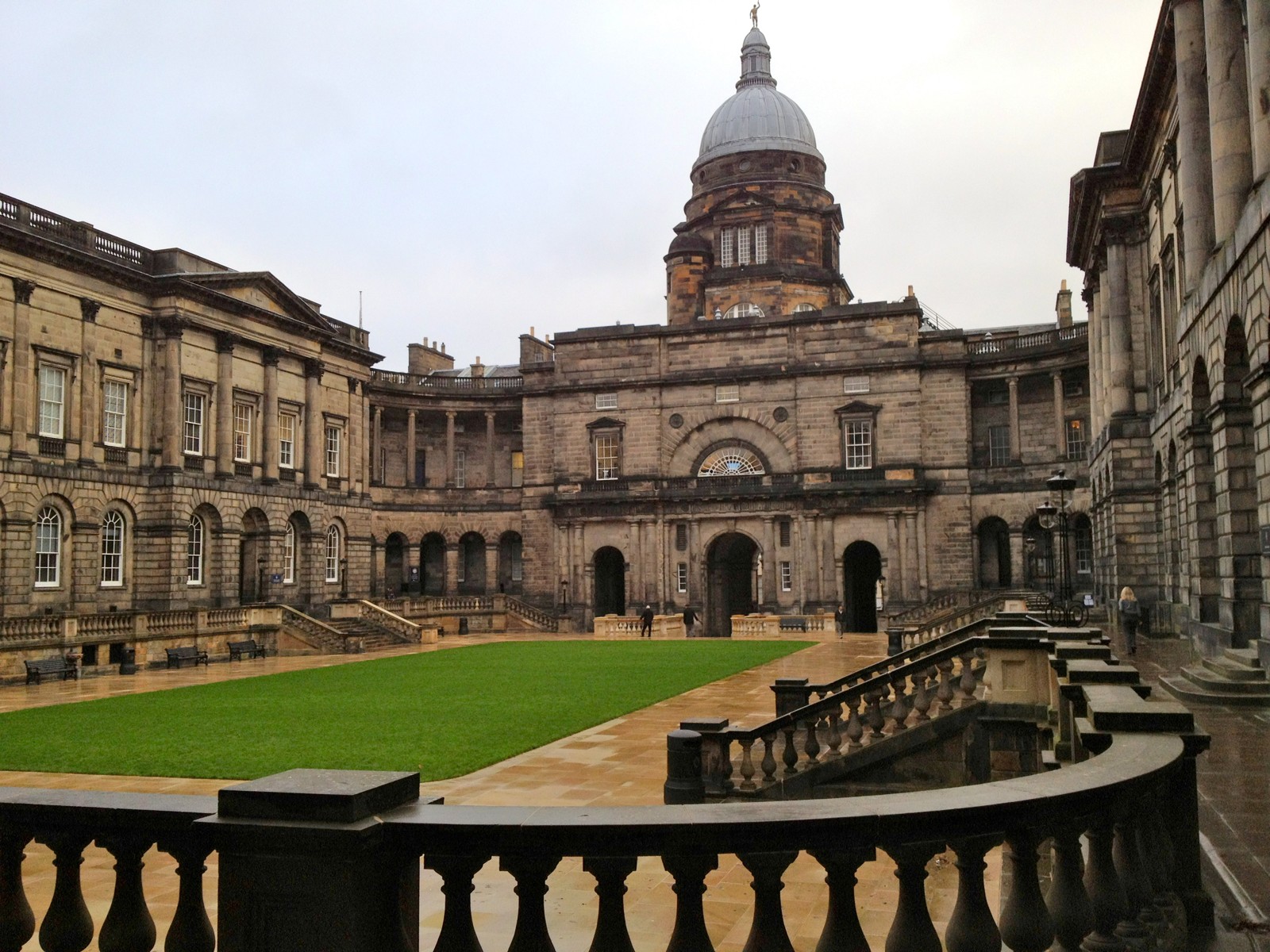

American interest in UK bachelor's programs has more than doubled, up about 124% according to Studyportals. At St Andrews, roughly one in five students is now American.
These are the UK universities with the most American students, and what a full degree costs with tuition, living expenses, and three flights home a year.
| University | Americans enrolled | Years | Estimated full degree, all in | Compared with four years at an Ivy (about $400,000) |
|---|---|---|---|---|
| University of St Andrews | 2,205 | 4 | about $278,000 | about $122,000 less |
| University of Edinburgh | 1,600 | 4 | about $245,000 | about $155,000 less |
| University of Oxford | 1,525 | 3 | about $225,000 | about $175,000 less |
| University College London | 1,055 | 3 | about $216,000 | about $184,000 less |
| University of Cambridge | 740 | 3 | about $231,000 | about $169,000 less |
| King's College London | 585 | 3 | about $200,000 | about $200,000 less |
Ivy League schools now cost close to $100,000 a year. Columbia's 2026-27 figure is $99,774. For a family paying full price, every one of these UK universities costs at least $120,000 less than four years at an Ivy, and King's College London costs about half. Families who qualify for need-based aid at an Ivy may pay much less there, so it's worth running the numbers both ways.
American enrollment counts are from HESA, 2022/23. Tuition for St Andrews and Edinburgh is each university's 2026-27 fee for international students; the others come from my Admissions Data page. Living costs are estimates.
A Note to Parents With Two or Three Kids
Everything above is the cost of one child. Many families have more than one, and the bills don't come once. They stack.
I have a friend, a therapist who earns a very good living, who had to take a second job to pay for her three kids' college educations.
Here's how quickly the numbers grow.
| Children | Average U.S. private college | Average U.S. public, in state | Degree abroad, at Sciences Po's cost |
|---|---|---|---|
| 1 | about $262,000 | about $124,000 | about $105,000 |
| 2 | about $524,000 | about $248,000 | about $210,000 |
| 3 | about $786,000 | about $372,000 | about $315,000 |
Three children at the average private college cost more than three quarters of a million dollars. Three degrees abroad cost less than three at the average in-state public university.
"Send them abroad, and you get to visit them there, instead of being too strapped to go anywhere once they leave." Zelda Thomas
Takeaway Four
Yes, the FAFSA Comes Too
Here's something that surprised me. Your family can file the FAFSA for some European universities. The University of Edinburgh, for example, is approved by the U.S. Department of Education to certify federal Direct Loans, including Parent PLUS.
But there's a catch. Foreign universities cannot award Pell Grants or any other federal grant. Abroad, the FAFSA unlocks loans only. And those loans have tighter limits than they used to. Since July 1, 2026, new Parent PLUS borrowing is capped at $20,000 a year and $65,000 per student.
The difference is that no college formula decides what your family deserves. You know the price before you apply, and the FAFSA simply lets you borrow toward it.
I always recommend that students borrow a modest share of their college costs, so they stay invested in their education. Abroad, that modest share is a lot more modest.
Takeaway Five
A Wider View of the World
In 2022, 73% of American college freshmen enrolled in their home state. Only about one in ten U.S. undergraduates studies abroad at any point during their degree. Between 2016 and 2021, enrollment in foreign language courses at American colleges fell 16.6%.
I think learning about other cultures is one of the most important things a young person can do. I wanted the same for my kids. My daughter spent her junior year of high school in Beijing with School Year Abroad. When our family visited my sister in Rome, I had my children keep reflective travel journals.
A student who earns a degree abroad lives that education every day. They study global politics alongside classmates from around the world. They hear how the rest of the world talks about the United States. They learn a new language at the grocery store and figure out a new train system on their own. They come home understanding that there is more than one way to see the world.
Takeaway Six
A Path to Working Abroad
A degree abroad can also be a first step toward building a life there.
In the UK, bachelor's graduates can currently stay and work for two years on the Graduate Route visa. For applications made on or after January 1, 2027, that drops to 18 months.
In the Netherlands, graduates of a Dutch master's program can apply for an orientation year, a permit of up to 12 months to look for work. If they find a qualifying job, it can convert into a residence permit for highly skilled migrants.
That's real time to gain work experience in another country, build a professional network, and decide where they want to live. Each country sets its own rules, and they change, so this is something to plan for early.
Beyond Europe: Japan
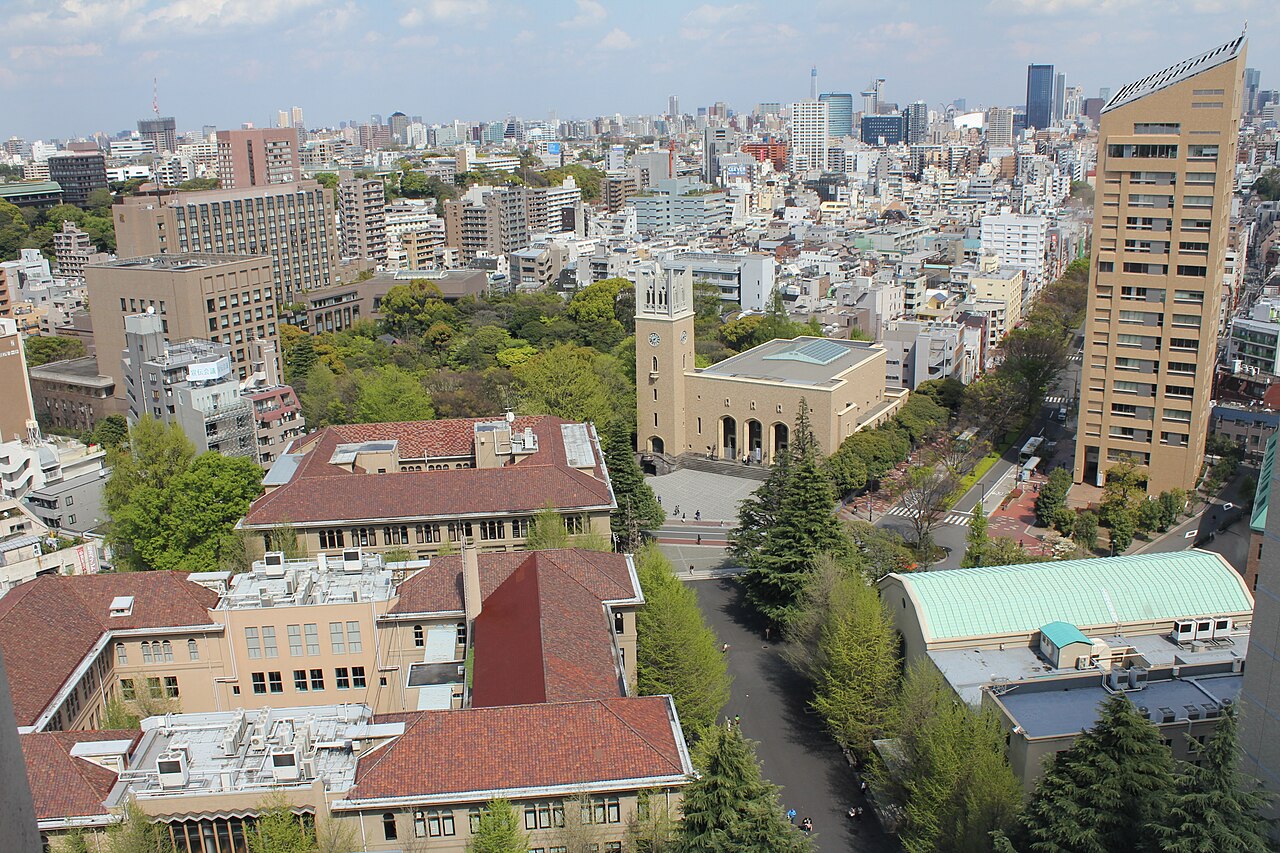

English-taught degrees aren't only a European story.
Japan is a striking example. Its population of 18-year-olds has fallen by more than half since the 1960s. In 2014, the government chose 37 universities for its Top Global University Project, investing in international faculty, international students, and teaching in English.
One of my students this year is applying to English-taught programs at some of the best universities in Tokyo. He spent a summer in Osaka and has studied Japanese. Here's what those programs cost.
| University | Program | Annual tuition |
|---|---|---|
| Keio University | GIGA Program, taught in English | about $9,800 (¥1,531,350) |
| Waseda University | English-based undergraduate programs | about $7,700 to $11,500 (¥1.2 to 1.8 million) |
| Sophia University | Faculty of Liberal Arts, taught in English | about $9,200 (¥1,442,000) |
Each also charges a one-time admission fee of about ¥200,000, roughly $1,300. Most Japanese bachelor's degrees take four years. Figures converted at about ¥157 to the dollar, October 2026. Housing and living costs come on top.
That's tuition at three of Japan's top private universities for less than the average in-state tuition at an American public university, $11,950, and about a fifth of the average private college tuition, $45,000.
My Take: If Not Your Own Backyard, Look Across the Ocean
But not every student belongs close to home. If yours is pulling toward the wider world, take that seriously. Going far does not have to mean paying more.
Spend wisely on the first degree, and there's more left for whatever comes next.
It does take planning. None of the universities in this post require the IB. An American high school diploma works, but each school asks for something extra. Erasmus wants a 3.0 GPA in junior and senior year plus four AP exams with scores of 3 or higher. Bocconi asks for its own admissions test or SAT or ACT scores. Carlos III requires Spanish accreditation of the diploma and subject tests. Sciences Po accepts a U.S. diploma with no specific subject requirements. The earlier your family starts looking, the more options your child will have.
Before you commit to four years of FAFSA, CSS Profile, and guessing, add one or two universities abroad to the list and compare the real numbers side by side.
You may find that the farthest school is also the most affordable.
Wondering if a university abroad belongs on your student's list?
REQUEST A CONSULTATIONQuick Answers
- Can American students study in Europe in English?
- Yes. Thousands of full bachelor's degrees are taught in English across Europe and in Japan. You can compare the universities I track on my Admissions Data page.
- Are bachelor's degrees in Europe three years?
- Most are, including in England, the Netherlands, France, and Italy. Scotland and Spain usually take four. Many programs want AP exams or test scores, so planning starts early; my Planning by Grade guide shows what to do each year.
- Can you use FAFSA to study abroad?
- Sometimes. Universities approved by the U.S. Department of Education, such as Edinburgh, St Andrews, and Bocconi, can certify federal Direct Loans, though Pell Grants are not available abroad. For help with the forms themselves, read A Parent's Experience with FAFSA.
- Is college in Europe cheaper than in the U.S.?
- It can be. Four years at an average in-state public university runs about $124,000, and at an average private college about $262,000. Several three-year degrees in continental Europe cost less than either. Staying close to home can save money too, as I wrote after visiting the University of Minnesota.
- Do European universities give financial aid to American students?
- Very little need-based aid. The trade-off is a clear price from the start, with no CSS Profile and no waiting for an award letter. I help families weigh these options through my international college counseling.
- Can American students work in Europe after graduating?
- Sometimes. UK bachelor's graduates can currently stay two years on the Graduate Route, dropping to 18 months for applications from January 1, 2027. The Netherlands offers a one-year orientation permit to graduates of Dutch master's programs. For students who have already lived abroad, see Third Culture Kids and College Admissions.
Have a question I didn't answer here? Request a consultation and let's talk it through.